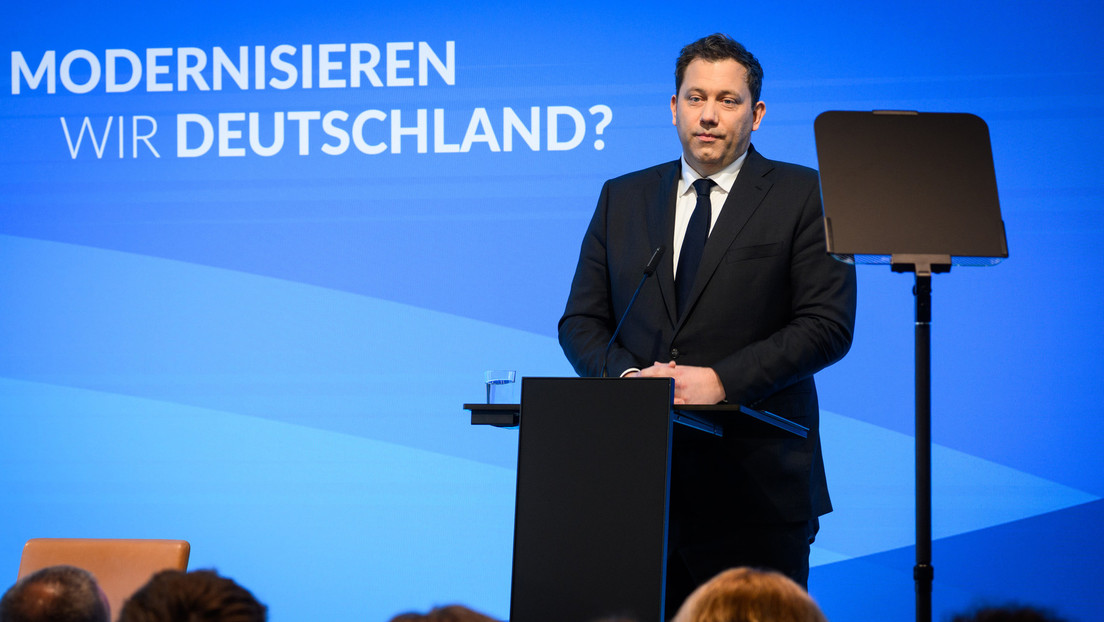
In the high-stakes world of politics, leaders are constantly under the microscope. Every decision, every public appearance, and even aspects of their personal lives become subjects of intense public interest and scrutiny. One such figure in German politics who frequently finds himself in this spotlight is Lars Klingbeil, the influential Co-Chairman of the Social Democratic Party of Germany (SPD). Beyond his significant political contributions, Lars Klingbeil's weight has, at various times, been a topic of public discussion, prompting a broader conversation about how the incredibly demanding nature of political life inevitably impacts the personal health and well-being of those who serve.
This article delves into the unique challenges politicians face in maintaining a healthy lifestyle, using Lars Klingbeil's experience as a lens through which to examine the broader interplay between public service and personal health. We explore the relentless pressures, irregular routines, and constant visibility that can make health management a significant hurdle for even the most dedicated public figures.
The Relentless Demands of High-Level Politics: A Recipe for Health Challenges
The life of a top-tier politician like Lars Klingbeil is far from ordinary. It's characterized by an almost ceaseless schedule, constant travel, and immense psychological pressure. These factors, while often unseen by the public, can significantly disrupt personal health and well-being. Consider the typical day of a leading political figure:
- Unpredictable and Long Hours: Political calendars are often packed from early morning until late at night, with debates, committee meetings, public appearances, and constituent engagements. There's little room for a fixed routine, which is crucial for consistent healthy habits.
- Constant Travel: Frequent journeys between parliamentary cities, electoral districts, and international engagements mean endless hours in cars, trains, and planes. This disrupts sleep patterns, limits access to familiar healthy food options, and makes regular exercise exceedingly difficult.
- Irregular Meal Times and Unhealthy Options: Grabbing a quick bite between meetings often means relying on whatever is available – frequently processed, high-calorie, and low-nutrient options from canteens, receptions, or fast-food joints. There's rarely the luxury of preparing home-cooked, balanced meals.
- High Stress Levels: The constant pressure to perform, make critical decisions, handle public criticism, and navigate complex political landscapes creates an environment of chronic stress. This stress can lead to a host of physical ailments, including digestive issues, sleep disturbances, and unfortunately, often contributes to weight gain or difficulty losing weight. Stress hormones like cortisol can encourage fat storage, especially around the abdomen.
- Lack of Privacy: Living under constant public and media scrutiny means there's little downtime for personal reflection or relaxation without the feeling of being watched. This constant "on-stage" feeling adds another layer of mental strain.
It's within this challenging environment that individuals like Lars Klingbeil must strive to maintain their physical and mental health. The public's interest in Lars Klingbeil Gewicht often serves as a visible manifestation of these underlying pressures.
Lars Klingbeil's Journey: From Young Activist to SPD Co-Chairman
Lars Klingbeil's ascent in German politics provides a clear illustration of a career trajectory that is both demanding and inspiring. Born on February 23, 1978, in Soltau, Lower Saxony, his commitment to public service began early. After studying Political Science, Sociology, and History at the University of Potsdam, he quickly became involved with the Young Socialists (Jusos), the youth organization of the SPD, eventually serving as its federal chairman from 2003 to 2007.
His parliamentary career took off in 2009 when he first entered the German Bundestag. He rapidly distinguished himself as one of the SPD's most promising young talents. His appointment as General Secretary of the SPD in 2017 and subsequently as Co-Chairman in 2021 marked significant milestones in his political career. Each step up the political ladder brought with it increased responsibilities, greater public visibility, and undoubtedly, more intense pressure.
This demanding professional journey naturally intersects with personal well-being. As Lars Klingbeil himself has indicated in interviews, the everyday realities of political life—the long hours, the constant travel, and the often-irregular meal schedules—present a significant hurdle for maintaining a healthy lifestyle. His candidness helps to humanize the experience of top politicians and sheds light on the genuine difficulties they face in balancing their public duties with personal health goals. The public discourse around Lars Klingbeil Gewicht, therefore, isn't just about appearance; it's often a reflection of the challenges inherent in his high-profile role.
Public Scrutiny vs. Personal Privacy: The Dilemma of Political Figures
The public's fascination with the personal lives of politicians, including their physical appearance, is a phenomenon that is neither new nor unique to Germany. For figures like Lars Klingbeil, their weight can become a topic of discussion for various reasons:
- Visibility as a Symbol: For some, changes in a politician's weight might symbolize the immense stress and workload they endure, or perhaps even a personal battle they are publicly navigating.
- Perception of Health and Stamina: In a demanding role, a politician's physical appearance can be (often unfairly) linked to perceptions of their stamina, discipline, and ability to handle pressure.
- The Human Element: People are inherently curious about the lives of public figures, seeking to connect with them on a more personal level, even if it means scrutinizing aspects that are deeply private.
While some argue that a politician's weight is a purely private matter irrelevant to their political work, its discussion highlights the immense pressure politicians face in balancing public interest with the protection of their personal space. Klingbeil's occasional remarks on the subject, acknowledging the difficulties of maintaining a healthy lifestyle amidst political demands and his efforts to address it, contribute to a more realistic understanding of these challenges.
This ongoing tension between public scrutiny and the right to privacy underscores a fundamental dilemma for anyone in the public eye. For politicians, whose effectiveness often relies on public trust and perception, navigating this line is a constant tightrope walk.
Strategies for Maintaining Well-being in the Political Arena
Given the extraordinary demands, how do politicians (or any highly busy professional) navigate the path towards better health? While the specific strategies for individuals like Lars Klingbeil are personal, general principles apply:
Prioritizing Holistic Health: Beyond Just Diet and Exercise
- Structured Nutrition: Planning meals in advance, opting for healthy catering options where possible, and making conscious choices to include fresh produce and lean proteins can help mitigate the impact of irregular eating. Even small changes, like carrying healthy snacks, can make a difference.
- Incorporating Movement: Even short bursts of physical activity can be beneficial. This might include walking meetings, taking the stairs, brief stretching exercises during travel, or committing to a quick gym session whenever a window of opportunity arises.
- Stress Management Techniques: Given chronic stress, incorporating practices like mindfulness, meditation, deep breathing exercises, or simply scheduling short breaks for mental decompression can be vital for mental and physical health.
- Prioritizing Sleep: Though often difficult, ensuring adequate, quality sleep is paramount for cognitive function, mood regulation, and physical recovery. This might involve creating a strict bedtime routine or utilizing travel time for rest.
- Seeking Professional Support: Nutritional guidance, personal training, or psychological counseling can provide tailored strategies and support to navigate the specific challenges of a high-pressure lifestyle.
- Building a Support System: Having a strong personal network of family and friends who understand the demands of the job can offer emotional support and accountability.
These strategies are not merely about addressing Lars Klingbeil Gewicht but about fostering overall resilience and well-being, enabling politicians to perform their duties effectively while safeguarding their personal health.
Lars Klingbeil embodies the modern German politician: dynamic, influential, and deeply engaged in shaping the nation's future. His journey highlights the immense dedication required for public service, but also the significant personal sacrifices involved. While public interest in his personal appearance, including Lars Klingbeil Gewicht, remains a topic of discussion, it serves as a powerful reminder of the broader human challenges faced by those in the political arena. Ultimately, focusing on his substantial political achievements and his contributions to German society, while acknowledging the human element of striving for health amidst extraordinary demands, provides a more balanced and respectful perspective. The delicate balance between public duty and personal well-being is a constant negotiation for politicians, deserving of understanding and empathy.